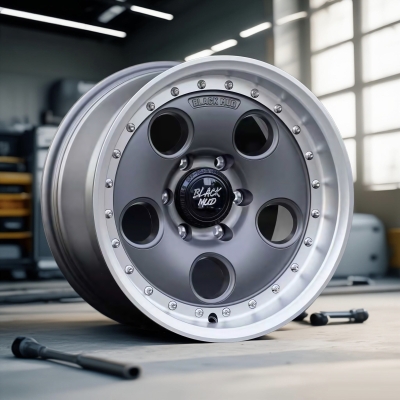
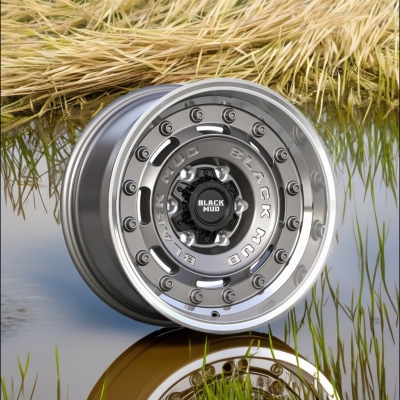
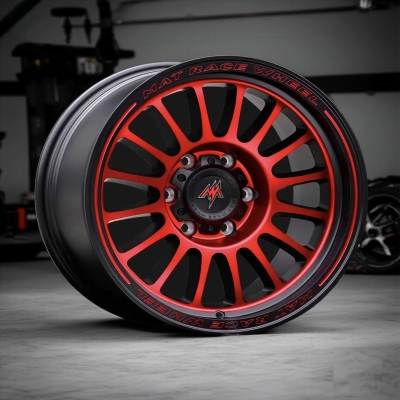
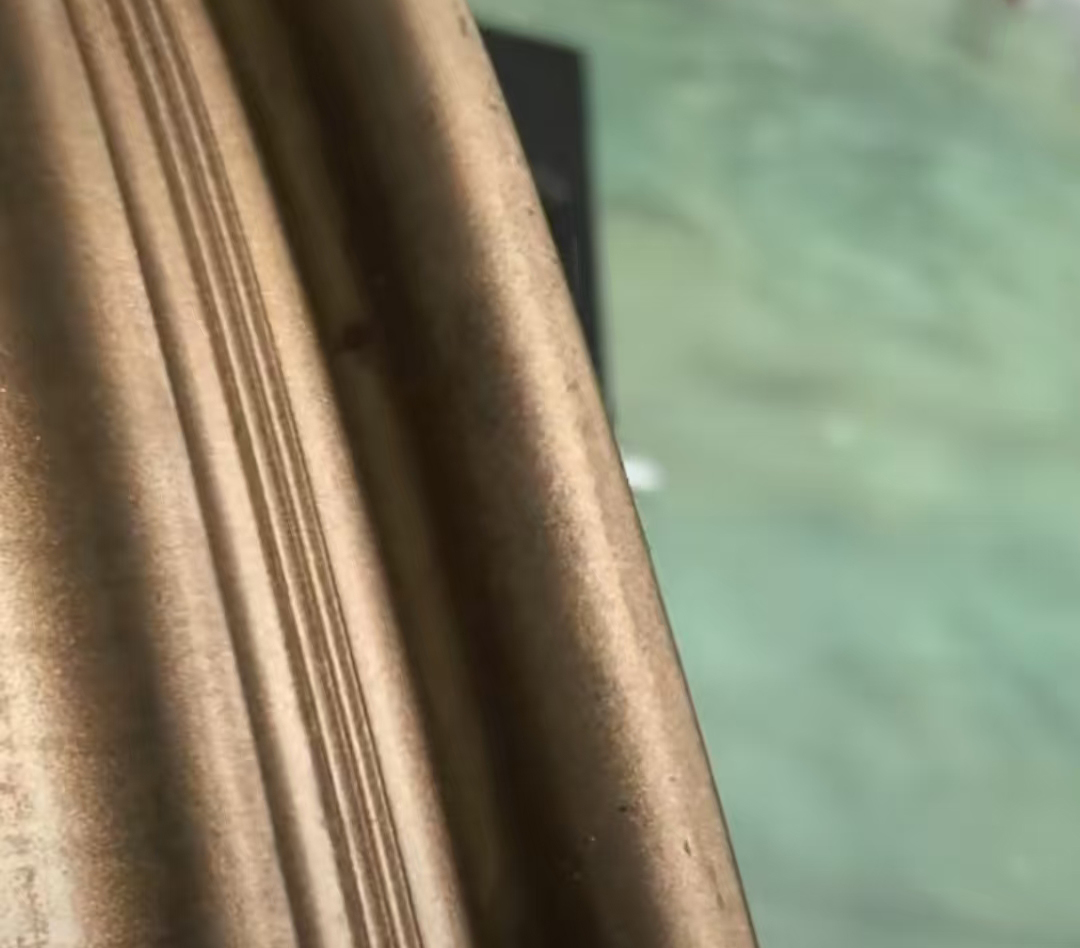
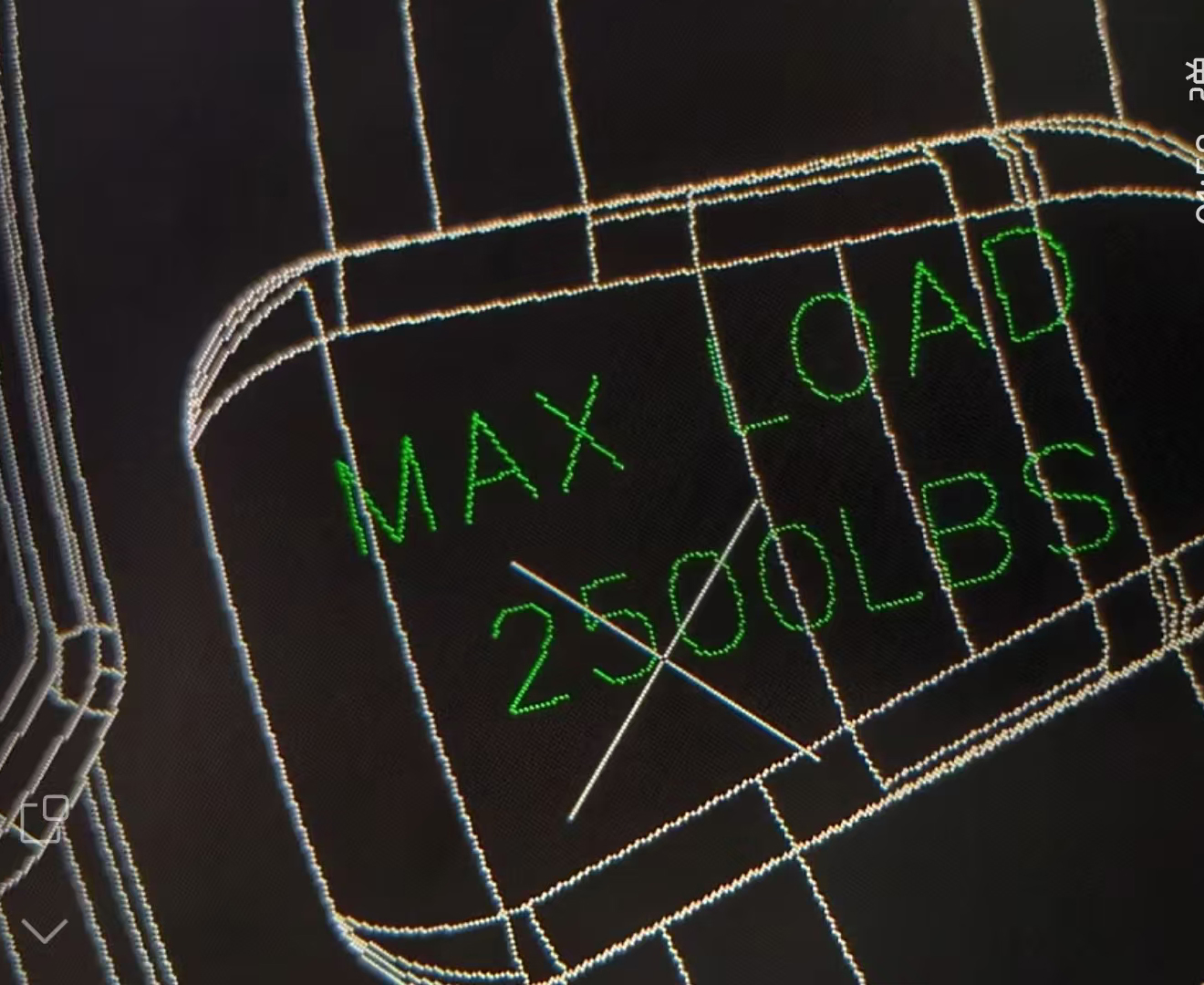
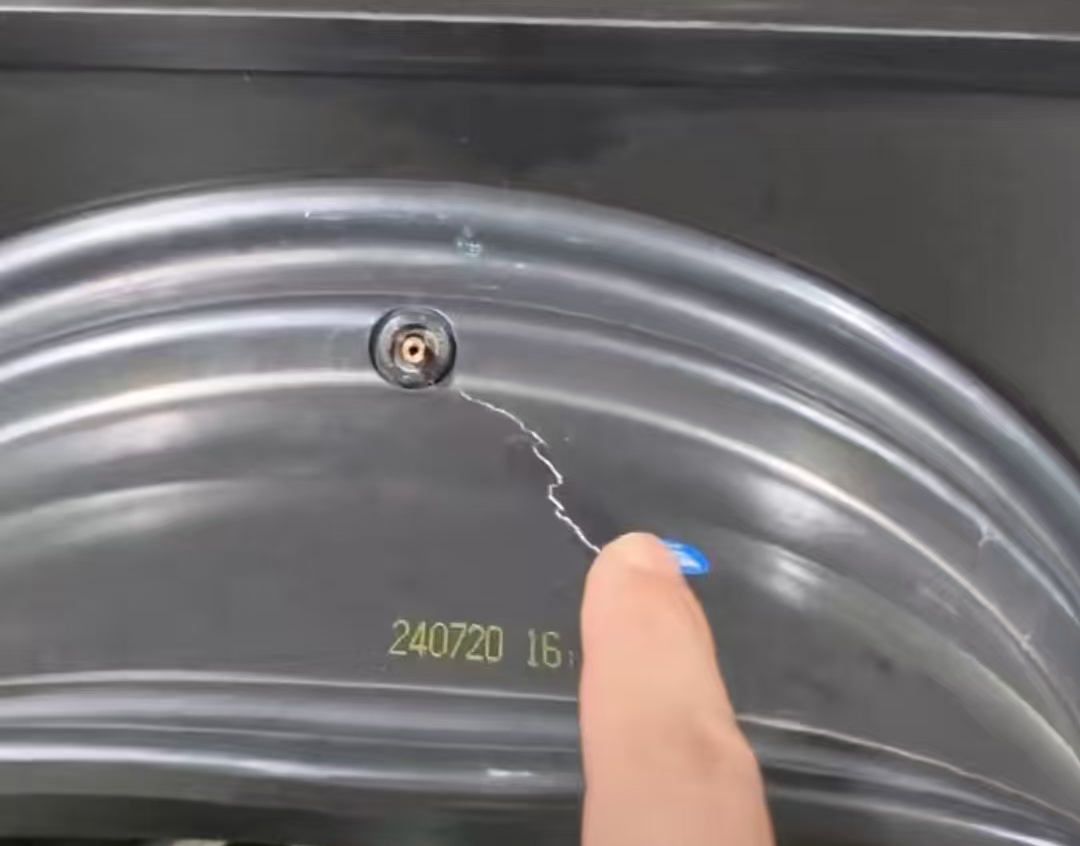
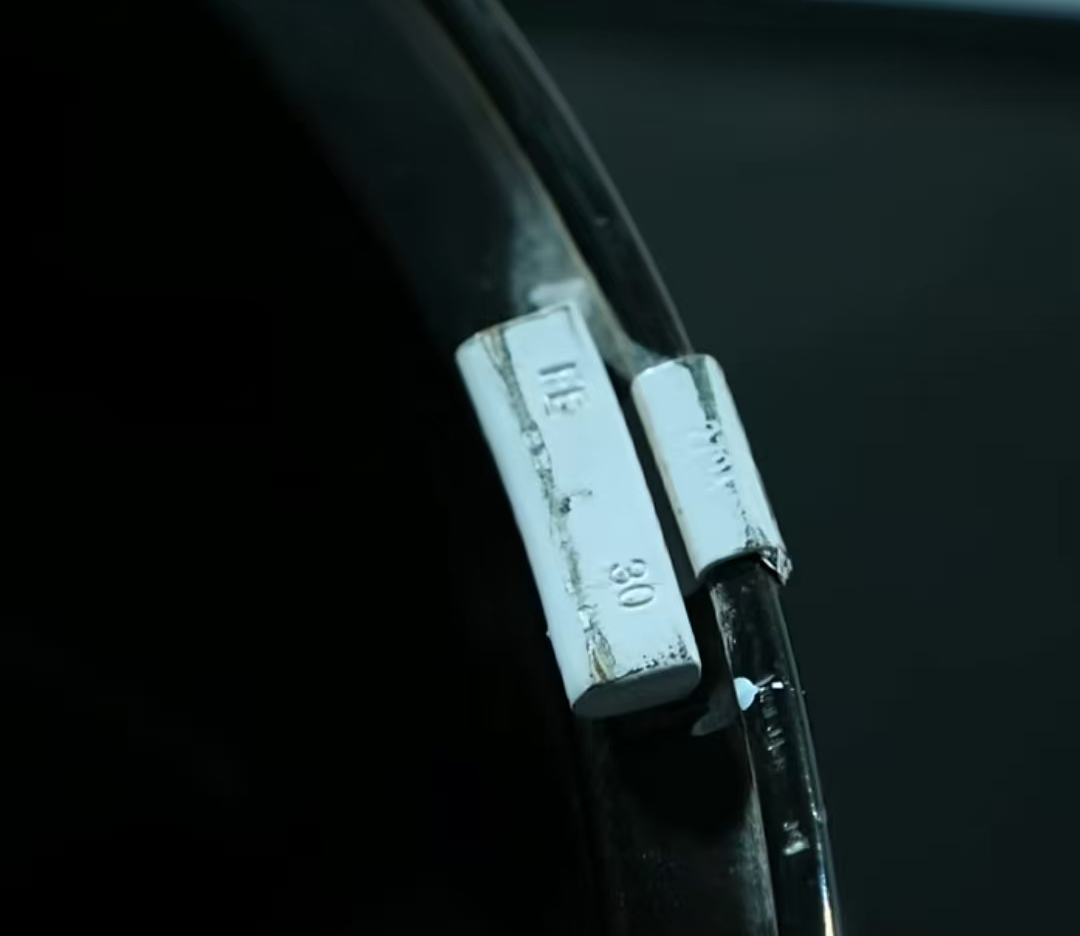
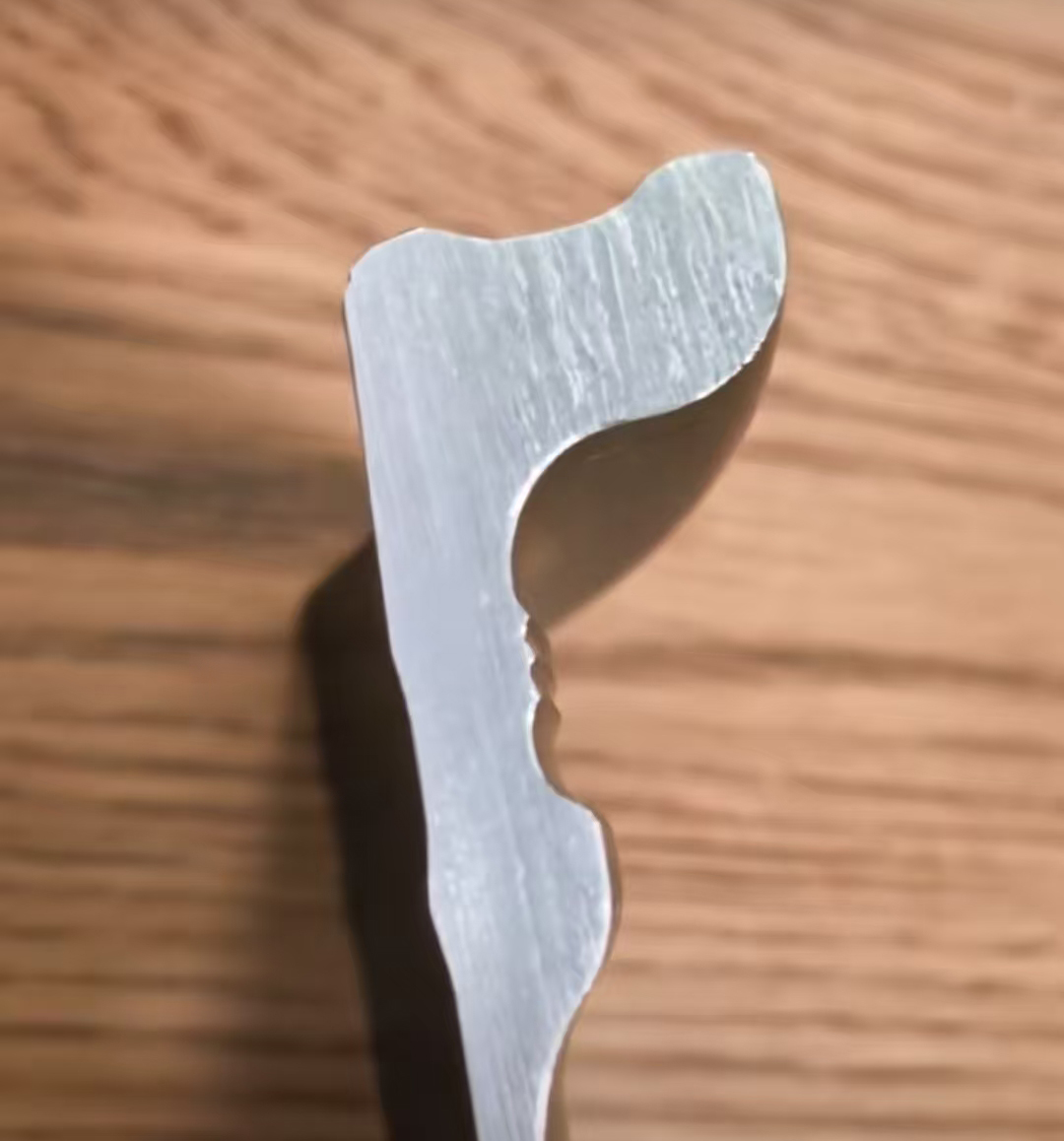
When using car wheels, we may encounter issues such as damage, cracking, and deformation of the wheel rim. Today, we would like to discuss the issue of rim deformatio: Now let's take a look at Mr. Xu's perspective on the deformation of the rim edge for your reference: No matter how thick and impressive the craftsmanship is, it's impossible to guarantee 100% deformation resistance. What is the biggest problem in China's off-road wheel hub industry? I believe that 100% of the industry peers will agree that the biggest issue is the deformation of the rear rim. Even minor deformation can cause the steering wheel to shake when driving at high speeds, Severe deformation may cause air leakage and make it impossible to drive, When there is insufficient space, it can also cause the deformed part to rub against other components of the vehicle chassis。 Is there a hub in this world that won't deform? I believe not. It's merely a matter of strength versus weakness, or quality versus inferiority. So, how do we determine whether a rear rim's resistance to deformation is strong or weak? As professionals, we must conduct a 90° rim impact test according to the standard. You may ask what criteria we use. Today, I stumbled upon a drawing of a wheel hub from an American brand. Let's set aside the question of whether its positive and negative tolerances are reasonable for the moment. Referring to the standard, the load capacity of a standard wheel hub according to the American SAE J2530 standard is 2500 pounds The 90° impact test drawing requires a hammer weight of 865kg, an impact height of 127mm, and a tire pressure of 255MPa, The criterion for judgment is the separation of the wheel hub from the tire. If the wheel net is torn or falls off, or if visible cracks appear on the wheel net, and after 30 seconds of experimentation, the tire air leakage exceeds 50% If none of the above conditions occur, it is judged as qualified. According to the Chinese industry standard QCT 991-2015 for the 90° impact method of wheels, under the premise of 2500 pounds converted to 1135kg, the hammer weight is 1100kg, and the height is 1135×0.28, which equals 317.8 millimeters. The tire pressure is 200KPa, and cracks or fractures are allowed at the impact position of the wheel rim. The maximum allowable fracture in the rim groove is 25.9% of the circumference. Based on the above two standard data, the Chinese industry standards are much higher than the requirements of SAE J2530 in terms of the weight, height, and tire pressure of the impact hammer. However, in terms of the judgment criteria, I believe we should learn from the United States. Therefore, the parameters required by the Chinese industry standards are adopted for our Bucks Off-road Wheel Hub. As for the judgment criteria in the United States, for beginners, How to choose or evaluate the quality of the rear rim strength of a wheel hub? First, consider the design. Avoid choosing the old-fashioned design with hookable balance weights, Because this design is very thin, both in terms of the thickness of the rim and the thickness of the wheel lip, We should opt for a unified design, ideally in the shape of a 90° L-shaped design。 This design offers stronger support. Feel it with your hand, and if possible, measure it. Regardless of the craftsmanship, whether it's the thickness of the wheel or the thickness of the 5-degree line area, the thicker this area is, the stronger its resistance to deformation becomes. This means a lower probability of deformation during extreme off-road jumping. Lastly, I must remind everyone that off-road riding is not reckless. No matter how thick or impressive the craftsmanship is, it cannot guarantee 100% deformation resistance. Off-road riding is not reckless, and no matter how thick or impressive the craftsmanship is, it cannot guarantee 100% deformation resistance. (Note: This viewpoint is quoted from a video released by the official account "Xionglu Axe King Original Off-road Wheel Hub", and does not represent the position of our company. It is for reference only.)